What’s Racehorse Tack?
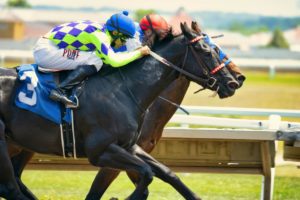 Having never worked with horses but an avid horse racing fan from the days of watching the Brocklesby Stakes as a kid, I’m definitely a novice when it comes to racehorse tack. Collectively known as the tack, it includes all the various pieces of equipment to help a horse and jockey perform at their best and safely.
The malfunction of the tack may hinder a horse’s win chance and lead to horse and jockey parting company.
But what are the different pieces of tack and why are they used?
1) Saddle: The seat for the jockey. The racing saddle is different to most and lightweight. It helps a jockey maintain balance and control when racing at high speed.
2) Bridle: A collective term for the headstall, bit and reins. The bit goes in the horse’s mouth, while the reins are used to control the horse’s movement. Although rare, reins do snap making a horse impossible to steer. Also, the bit can slip through the mouth of a horse which not only uncomfortable but difficult to control especially on a turning course.
3) Cheekpieces, Blinkers or Noseband: Attached to the bridle which restrict the horses vision as an aid to help them focus. For example, the noseband helps aid the horse from raising its head to high as this can affect its stride pattern and hinder running action.
4) Breastplate: Helps the saddle keep in place, mainly preventing the saddle from slipping backwards.
5) Stirrups: Often referred to as the irons and basically footrests for the jockey to maintain balance to keep safe and secure. The stirrups are attached to the saddle by a leather strap. A strap may break and a jockey loses their iron. If this happens, it is equivalent to bareback riding and in this situation winning is unlikely.
6) Racing Plates: Race horse shoes are made specifically for racing. They are lightweight and usually made of aluminium. It isn’t unusual for a horse to lose a shoe while racing which can hinder performance.
7) Girth Strap: Goes under the horse’s belly to hold the saddle in place. If a horse’s saddle slips it is often because the girth strap hasn’t been tightened enough. Starting stalls handlers often adjust this before the start of a race so it is tight but comfortable. It can be affected by horses breathing after galloping to the start.
8) Martingale: Can be many forms of equipment attached to the horse’s bridle to help control the horse carriage and prevent it raising its head too high.
9) Tail Bandage: Most often seen on National Hunt horses, to prevent the tail being caught in the tack.
10) Whip: The whip may not be viewed as tack but an important piece of equipment. Although a topic of controversy, it is used subject to regulations and used to ‘encourage’ and correction and urgency in the final furlong of a race.
Horse racing tack is an important part of maximising the horse’s performance to ensure the safety of horse and jockey. It is essential the tack is kept in good condition, fitted and adjusted for comfort. Malfunction of tack can hinder performance and can lead to falls or injury of the jockey.
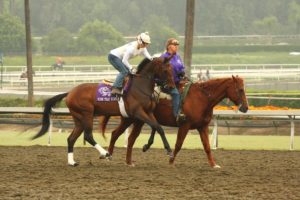
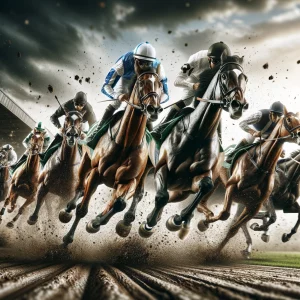 Cheltenham Festival provides punters with a conveyor belt of horse racing betting markets, and there’s no shortage of bettors willing to snap up what’s on offer. It is held in high esteem in the sporting calendar and sees some of the most considerable gambling activity out of any UK-based sports events throughout the year.
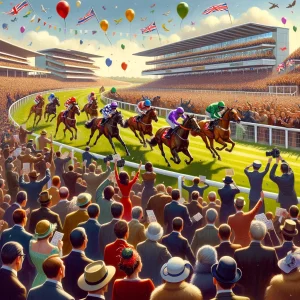 The short answer is yes, he did. Nowadays, Michael Anthony ‘Mick’ Fitzgerald is best known as a presenter on ITV Racing but, between 1993 and the end of his riding career in 2008, he was stable jockey to Nicky Henderson. Fitzgerald broke his neck in a fall at Market Rasen in 2005 and, having returned to race riding, damaged his spinal cord in another in the Grand National in 2008, which ultimately brought an end to his career four months later. Nevertheless, he was one of the most successful jump jockeys of all time, with 1,280 winners to his name, more than half of which were for Henderson.