How to Prepare for Upcoming Horse Racing Tournaments

How to Prepare for Upcoming Horse Racing Tournaments  Horse racing tournaments are thrilling events that combine the excitement of sport with the elegance of equestrian tradition. Whether you’re a seasoned enthusiast or a newcomer to the world of horse racing, proper preparation is key to fully enjoying and potentially profiting from these events. This guide will walk you through the essential steps to get ready for upcoming horse racing tournaments.

Meanwhile, if you crave for competitive tongits action, why not check out GTCC.

Understanding the Tournament Structure

Before diving into preparation, it’s crucial to understand the structure of horse racing tournaments. Most major events consist of several races spread over one or more days. Familiarize yourself with:

– The number of races in the tournament

– The types of races (e.g., flat racing, steeplechase)

– The distances of each race

– The prize money for each race

This information will help you focus your attention and potentially your bets on the most significant races.

Researching the Horses and Jockeys

Knowledge is power in horse racing. Start your preparation by researching the horses and jockeys participating in the tournament. Look into:


1 – Recent performance: Check the horses’ recent race results and overall form.

2 – Track preferences: Some horses perform better on certain types of tracks (e.g., turf vs. dirt).

3 – Distance suitability: Assess how well each horse typically performs at the distances of the tournament races.

4 – Jockey statistics: Research the win rates and experience of the jockeys.

5 – Trainer information: Look into the trainers’ success rates and reputations.


Many racing websites and publications offer detailed statistics and analysis that can be invaluable in your research.

Analyzing the Racecourse

Each racecourse has its unique characteristics that can significantly impact race outcomes. Consider:


– The track surface (turf, dirt, or synthetic)

– The shape and length of the course

– Any notable features (e.g., uphill stretches, tight turns)

– How weather conditions typically affect the track


Understanding these factors can give you insights into which horses might have an advantage based on their racing style and preferences.

Staying Updated on News and Developments

The world of horse racing is dynamic, with last-minute changes that can affect race outcomes. Stay informed by:


– Following reputable horse racing news sources

– Checking for any late scratches or substitutions

– Monitoring weather forecasts for the race days

– Keeping an eye out for any reported injuries or health issues with the horses

Developing a Betting Strategy (If Applicable)

If you plan to bet on the races, it’s essential to develop a sound strategy:


1. Set a budget and stick to it.

2. Understand the different types of bets available (e.g., win, place, show, exacta, trifecta).

3. Consider using betting systems or strategies based on your research.

4. Be prepared to adjust your strategy based on odds and any last-minute information.


Remember, responsible gambling is crucial. Never bet more than you can afford to lose.

Planning Your Attendance

If you’re attending the tournament in person, proper planning can enhance your experience:

1. Tickets and seating: Purchase tickets early and choose seating that suits your preferences and budget.

2. Dress code: Many racecourses have dress codes, especially for premium areas. Check the requirements and plan your outfit accordingly.

3. Transportation and accommodation: Book your travel and lodging well in advance, especially for major tournaments.

4. Packing essentials: Depending on the venue and weather, consider bringing items like sunscreen, a hat, comfortable shoes, and binoculars.

Familiarizing Yourself with Racing Terminology

Understanding the lingo used in horse racing can greatly enhance your enjoyment and comprehension of the events. Some key terms to know include

– Furlong: A unit of distance equal to 1/8 of a mile

– Hand: A unit of measurement for a horse’s height (1 hand = 4 inches)

– Morning line: The initial odds set for each horse

– Post position: The position of a horse in the starting gate

– Scratch: When a horse is withdrawn from a race

Joining or Creating a Racing Community

Engaging with other horse racing enthusiasts can make the experience more enjoyable and informative.

 – Join online forums or social media groups dedicated to horse racing.

 – Attend local viewing parties or events.

 – Consider joining a syndicate if you’re interested in horse ownership.

Sharing insights and experiences with others can provide valuable perspectives and make the tournament more exciting.

Preparing for Multiple Scenarios

Horse racing is unpredictable, which is part of its charm. Be prepared for various outcomes.

– Have a plan for how you’ll react to wins or losses if you’re betting.

– Be ready to adjust your expectations if favorites underperform.

– Prepare to celebrate responsibly if your chosen horses succeed.

Embracing the Experience

Finally, remember that horse racing tournaments are about more than just winning or losing. They’re cultural events steeped in tradition and excitement. Prepare to:

– Soak in the atmosphere of the racecourse.

– Appreciate the beauty and athleticism of the horses.

– Enjoy the social aspects of the event.

– Learn from each race, whether your predictions were right or wrong.

Conclusion

Preparing for upcoming horse racing tournaments is a multifaceted process that combines meticulous research, strategic planning, and practical considerations. This comprehensive approach ensures that attendees, whether casual fans or serious bettors, can fully immerse themselves in the exhilarating world of equestrian sport.

The foundation of successful preparation lies in thorough research. This involves studying the history of the specific tournament, understanding the significance of various races within the event, and familiarizing oneself with the participating horses, jockeys, and trainers. Analyzing past performances, recent form, and head-to-head records can provide valuable insights into potential outcomes.

Equally important is gaining a deep understanding of the racecourse itself. Each track has its unique characteristics, including length, surface type, and potential weather impacts. These factors can significantly influence race outcomes and should be carefully considered when formulating predictions or betting strategies.

Staying informed about the latest news, including last-minute changes, injuries, or withdrawals, is crucial. This real-time information can dramatically alter the dynamics of a race and impact decision-making.

Finally, it’s important to approach the tournament with an open mind and a spirit of enjoyment. While thorough preparation is valuable, the true essence of horse racing lies in its unpredictability and the thrill of the moment. Embracing the atmosphere, the pageantry, and the raw excitement of the races is what truly makes these events memorable.

What Makes a Thoroughbred Horse a Racing Champion?

What Makes a Thoroughbred Horse a Racing Champion?  Thoroughbred horse champions aren’t just born overnight. However, their genetics do play an important role in their thoroughbred status. They must also undergo the right physical conditioning, develop strong mental stamina, and build tight-knit relationships with trainers and jockeys.
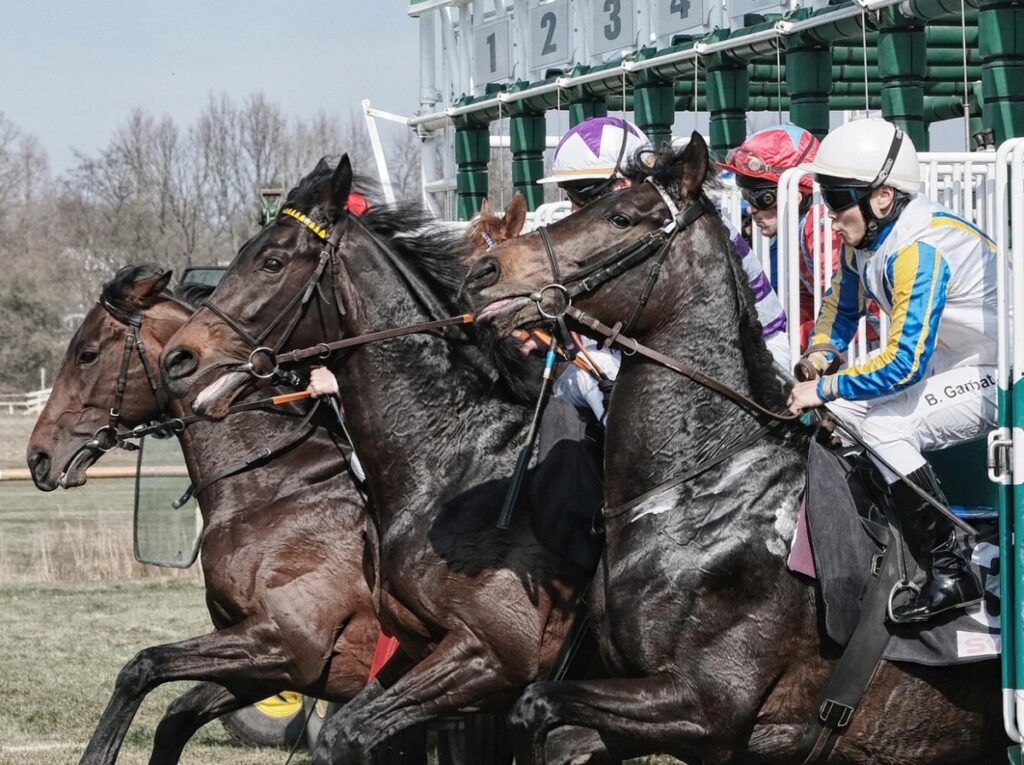

You can go to the horse racing betting NetBet to place wagers on promising contenders. Whether they’re thoroughbreds or rookies with unexpected skill, you can make various bets based on your research.

High-Echelon Bloodlines and Genetics

Horse breeders are careful who to select as mating partners to create the next thoroughbred champion. Descendants of Secretariat, Northern Dancer, and other famous race horses are more likely to become thoroughbred champions as long as they are paired with the right mate. The right genetics combined with the best physical and behavioral traits make a thoroughbred champion.

Conformation and Physical Build

A horse’s body structure are the first features that’s looked for when deciding which have potential for being a thoroughbred champion. Its chest needs to be deep enough for a broader lung capacity. This helps with more paced breathing while racing on the track.

Shoulders should be long and sloping to have a longer stride. They need strong hindquarters to help them navigate the track with power and ease. Legs need to be straight and sturdy to endure the physical demands of every horse race. A slight issue with a horse’s conformation can cause physical injury and compromise their speed and stamina.

Speed and Stamina

Thoroughbred champions have a good balance of fast and slow-twitch muscle fibers so they can sprint on the race track. These horses must quickly accelerate and maintain endurance to be successful. Trainers usually change race track conditions to encourage horses to exercise their best speed and stamina so they are ready for anything.

Exceptional Training and Management

Trainers monitor diet, conditioning exercises, and mental strength. Their horse feed must be balanced with the adequate vitamins and minerals needed for a thoroughbred champion to perform their best.

Conditioning is essential because not all race tracks are built the same. Trainers customize obstacle conditions to mimic the unpredictability of horse race tracks in real life.

Jockeys work on their relationship with the horse. They do more than train the horse with in-race commands. Jockeys spend time with their horse outside of training to build trust and a partnership together.

The Right Horse and Jockey Relationship

A thoroughbred champion can have the best genetics and physical conditioning for success. However, the relationship with their jockey is also essential for continued achievements on the track.

A mindful jockey knows about their horse’s strengths, weaknesses, and quirks. Being in tune with a horse’s rhythms makes or breaks a race.

Today’s jockeys look up to legendary horse and jockey partners of the past. Secretariat and Ron Turcotte for inspire jockeys to achieve synergy with their horses.

Competitive Spirit

Racing horses with a strong competitive spirit to reach the finish line have the most potential to become thoroughbred champions. As some contenders see another horse pass them on the track, this sparks them to get ahead and try to finish first. Secretariat was one such thoroughbred champion who broke records because of his will and determination to perform the best in races.

Racing Intelligence

Thoroughbred champions are flexible and adaptable to different racing conditions. They have a powerful start from the gate, position themselves accordingly, and respond well to their jockeys’ cues. They must also be energetic and competitive to finish the race.

A lazy temperament will not bode well for the track. Some horses who are apathetic about racing at first may become more dedicated to it as they race more.

What’s the Price of Passion? Racehorse Ownership Costs in 2025

What’s the Price of Passion? Racehorse Ownership Costs in 2025

When it comes to horse racing, many enthusiasts are not just captivated by the thrill of the track; they are also drawn to the allure of owning a racehorse. As we look ahead to 2025, prospective owners might wonder how much a racehorse will set you back. Understanding the financial implications of owning a racehorse involves several factors, including initial purchase costs, ongoing expenses, and potential returns on investment. Horse racing can be a thrilling and lucrative venture, especially with expert insights to enhance decision-making. Using free horse racing tips can be an excellent strategy to make educated decisions as well as potentially earn some welcome rewards.


In 2025, the cost of buying a racehorse can vary significantly because it mainly depends on the horse’s family background, training, and potential. Young thoroughbreds from famous families might cost hundreds of thousands of dollars. Recently, some horses at big auctions have even sold for millions, especially if they were trained at successful stables. But not all racehorses are this expensive, and you can find good options for a few thousand dollars if you’re careful with your budget, like buying from lesser-known sales or auctions.


After buying a racehorse, owners need to plan for ongoing expenses as trainer fees can be high, ranging from $1,000 to $5,000 monthly, based on the trainer’s reputation and location. This fee usually covers the horse’s daily care, food, and exercise. Additionally, veterinary costs are also important to consider. These include routine check-ups, vaccinations, and special treatment if the horse gets injured or sick while racing. Depending on the horse’s health and competition level, these vet costs can be hundreds or even thousands of dollars each year.


You also need to think about the costs of traveling and racing. To enter races, you have to pay fees, which can greatly vary based on how well-known the race is, the distance of the race, and where it happens. Sometimes, the cost to enter can be from a few hundred dollars up to a few thousand dollars. If the horse races are in graded stakes, which are more prestigious and competitive, the entry fees tend to be even higher. Then, there are transportation costs because racehorses need to be moved to different tracks to compete.


Owning a racehorse can be very rewarding, both financially and emotionally. When a racehorse excels in competitions, it can generate significant earnings for its owner, and this income comes from winning prizes and selling breeding opportunities, as well as increasing the resale value of the horse. Successful performance in major races, known as stakes races, can result in substantial winnings, sometimes reaching hundreds of thousands of dollars. Additionally, winning horses become more attractive for breeding, drawing in buyers eager to pay a premium to pair their mares with a proven champion.


Forming partnerships or syndications can be a smart method to share initial costs and ongoing expenses with other owners. Through syndicates, people can buy shares in a quality racehorse, where this method helps lessen each person’s financial burden and allows them to enjoy the perks of owning a racehorse without bearing all the costs alone. These partnerships make it more affordable and accessible for individuals to be part of the horse racing world.

Owning a racehorse in 2025 involves many financial aspects. You have the initial cost to purchase the horse, which can be quite significant, but beyond that, there’s the cost for regular care, feeding, and medical needs, as well as expenses related to participating in competitions. These costs can add up to tens of thousands of dollars each year, so it’s important for future owners to plan for these expenses. By understanding the financial commitment from the start, owning a racehorse can remain a fun and rewarding experience, regardless of whether the horse wins races or not.

Who is Terry Ramsden?

Who is Terry Ramsden?  Terry Ramsden is a person who gets varied comments relating to his past business and especially his love of horse racing and gambling. Some think he was a hero while others think he was a fool. I have a soft spot for the Essex man who made a fortune then lost it all.

Ramsden said: ‘I want to be the first billionaire in the UK!’

He was so close to achieving that goal.

If you went back to the 1980s, you couldn’t help but notice Ramsden. A diminutive man he may have been at just 5’ 4” tall with his mullet hairstyle which was common at the time. He played a mighty role within the horse racing world. He was a self-made Essex man of the Thatcherite era who talked the talk and walked the walk.

A self-promotion machine and a marketer’s dream.

He said: I’m a stockbroker from Enfield. I have long hair and I like a bet.’

Perhaps he liked to bet a little too much.

Ramsden made a fortune buying and selling bonds on the Japanese stock market and made good money gambling on the horses too. By 1984, he raised enough funds to purchase Edinburgh-based Glen International Financial Services Company. It was the start of big things and by 1987 he had a turnover of £3.5 billion and personal wealth of £150 million.

At one point he had a staggering 76 horses in training and his white and royal blue hooped racing silks were a familiar sight at racecourses across the country.

By Ramsden’s own admission, he liked a bet.

In fact, he would often be interviewed on TV about his eye-watering wagers.

In 1984, he paid £500,000 for top-class filly Katies who went on to win the Irish 1,000 Guineas and a hefty wager collecting £2.5 million after backing her at odds of 20/1.

He seemed to have the Midas touch and the winners kept flying home. In 1985, he purchased Mr. Snugfit who was earmarked for the 1986 Grand National and bet £50,000 each-way at 8/1. The horse was sent off clear favourite at odds of 13/2. The horse finished fourth but still returned winning of £150,000 (including stake).

Many years later, Ramsden said the bet was £500,000 each-way. ‘Anything else you hear is bullshit!’

However, the tide was about to term with the stock market crash on 19th October 1987.

In 1991, Ramsden was arrested while in Los Angeles by the Serious Fraud Office and sentence to 6-months imprisonment pending extradition back to the UK.

Ramsden’s financial might was crippled and it was the death knell for the Essex man made good. His company was hammered by losses and his wagering on the horses was splashed across the tabloids and news channels. He was declared bankrupt in 1992 with debts of £100M. He was said to owe Ladbrokes £2M and ‘warned off’ all racecourses.

To make matters worse, he was later imprisoned for failing disclose assets of £300,000.

Ramsden always stated that his business was being a stockbroker and gambling was just for fun.

He always maintained that he could have turned things round but wasn’t given the opportunity to get on with business.

It is reputed that at one time Ramsden owned 30% of Chelsea Football Club. In May 2022, the club was sold or £4.25 billion.

If only Ramsden’s fortunes had been more stable he could well have become a billionaire.

A great character who made a fortune with hard work and intelligence. His downfall wasn’t his gambling but the stock market crash. It raises a smile when he is criticised by many gamblers.

We could say to them: ‘How many of you have founded a business with a turnover in billions?’

I didn’t think so!

1 2 3 4 5 28