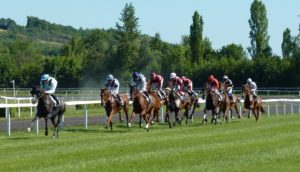
Training Horses for the Racetrack: A Game of Patience and Strategy
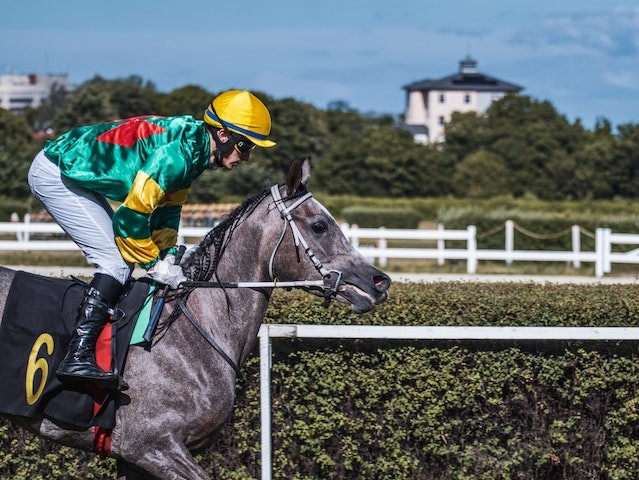
Training Horses for the Racetrack: A Game of Patience and Strategy  Engaging in a game at a live casino, where every move and decision is the culmination of understanding, practice, and strategy, is an exhilarating experience. The world of horse racing shares this ethos, with one fundamental difference: instead of cards or roulette wheels, the focus is on a living, breathing creature – the horse. Training a horse for racing isn’t a swift process; it requires time, patience, and a deep understanding of the animal. Let’s delve into the extensive preparation required to get a horse race-ready.


1. The Starting Line: Early Beginnings


Training begins when a horse is just a foal, not in the strict sense of rigorous exercises, but in terms of handling. The young horse is taught to be led by a halter, to be tied up, and to be comfortable with human touch. Just as a novice learns the basics of a live casino game, these are the foundational lessons for a horse.


2. Yearling Year: Building Strength and Stamina


Around the age of one, horses start their more formalized training. They are introduced to a bridle and a saddle, though riding them at this stage is avoided. Lunging, where the horse moves around the trainer in a controlled circle, helps in building stamina, obedience, and muscle strength.


3. Two-Year-Olds: Introduction to the Track


At two years, the horse is introduced to the racetrack. They are ridden more frequently, and their workouts become more structured. They start with trotting, then move on to cantering, and finally, short sprints. This gradual introduction ensures that their still-developing muscles and bones don’t face undue stress.


4. Recognizing Individual Strengths


Much like how different games in a live casino appeal to various players due to individual strengths and preferences, horses, too, have their unique strengths. Some might excel in short sprints, while others could have the stamina for longer races. Recognizing and nurturing these strengths is crucial.


5. Mock Races and Gate Training


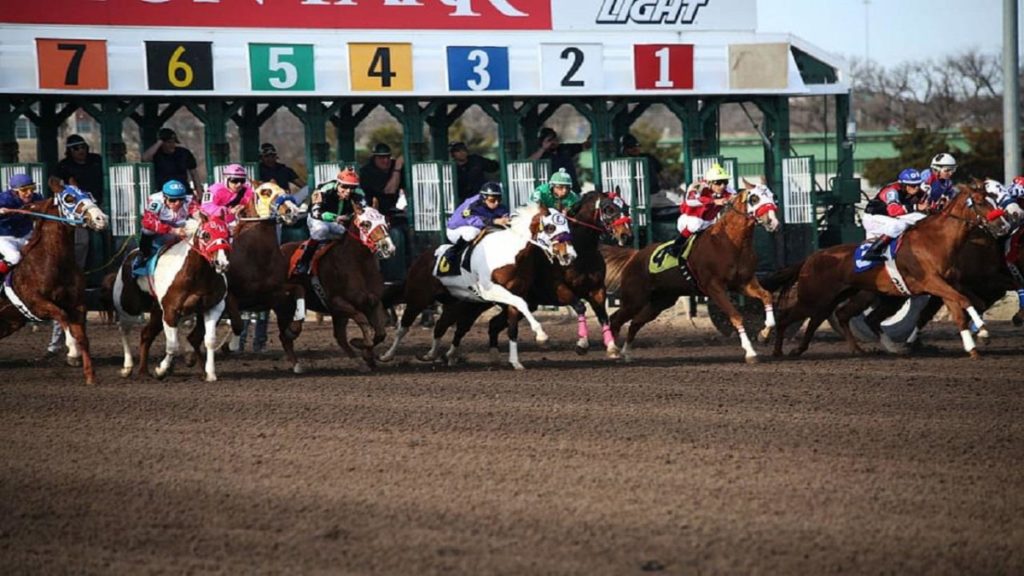
Before participating in official races, the young horse is trained to burst out of the starting gate with speed and precision. This requires them to overcome any initial hesitation and understand the cue for a fast start. Mock races, involving a few horses running together, accustom them to the atmosphere of a real race.


6. Consistency is Key


Training a racehorse isn’t just about teaching it to run fast. Consistency in performance is crucial. A horse’s daily routine involves workouts, feeding schedules, and rest. This routine ensures they stay in peak physical condition and are mentally prepared for the high-pressure environment of a race.


7. Mental Conditioning


Horses, by nature, can be skittish. The cacophony of a race day, with large crowds, loud noises, and the intensity of a race, can be daunting. Therefore, part of their training involves mental conditioning, ensuring they remain focused and unfazed by the surroundings.


8. Continuous Learning and Adaptation


Even after participating in their initial races, a horse’s training never genuinely ends. Just as a live casino player must continually adapt strategies based on the game’s progress, trainers and jockeys analyze every race to understand areas of improvement, adjusting training regimens accordingly.


9. Health and Recovery


Training isn’t just about pushing the horse to its limits. Recovery plays an integral role. This might involve massages, controlled diets, and even physiotherapy. Any sign of discomfort or injury, and the horse’s welfare takes precedence over racing.


10. Transitioning Out of Racing


A horse’s racing career is relatively short, often culminating around the age of seven or eight, though some continue beyond that. Once they retire from racing, they might move into breeding or equestrian sports, or simply enjoy a more relaxed life. The transition is as crucial as the initial training phases.


Training a horse for racing is an intricate dance of physical conditioning, mental training, and continuous adaptation. The journey from a young foal to a race champion mirrors the trajectory of a novice player in a live casino, progressing from a beginner to a seasoned player, mastering strategies, understanding the nuances, and, most importantly, learning from each experience. Both realms, despite their apparent differences, celebrate the spirit of dedication, passion, and the pursuit of excellence.
 

Who founded Timeform?

Nowadays, Timeform is part of the Paddy Power Betfair Group, but the company was founded in 1948, by the late Phil Bull, who also found fame as a professional gambler. While studying mathematics at Leeds University, and after graduation, Bull developed a technique for statistically analysing races times, which eventually formed the basis of mail order tipping service, known as the ‘Temple Time Test’.

In 1943, Bull published a book entitled ‘Best Horses of 1942’ and, following the end of World War II, joined forces with form aficianado Dick Whitford, to create Portway Press Limited, which traded as ‘Timeform’. In 1948, ‘Racehorses of 1947’, which contained an essay and a numerical performance rating for every horse that ran on the Flat during the year, would become the first of 73 volumes to be published, before Timeform closed its mail order operation in 2020. Likewise, the weekly Timeform Black Book, which first was first published in 1948, and the ‘Chasers & Hurdlers’ annual, which was first published in 1975/1976, are now, sadly, consigned to the past. As departing publishing editor Geoff Greetham put it, ‘Nothing lasts forever, but the Timeform annuals have stood the test of time for longer than most and will still remain as a permanent written history of the sport.’

Horse Racing Bonuses 2023: FAQs

Horse Racing Bonuses 2023: FAQs

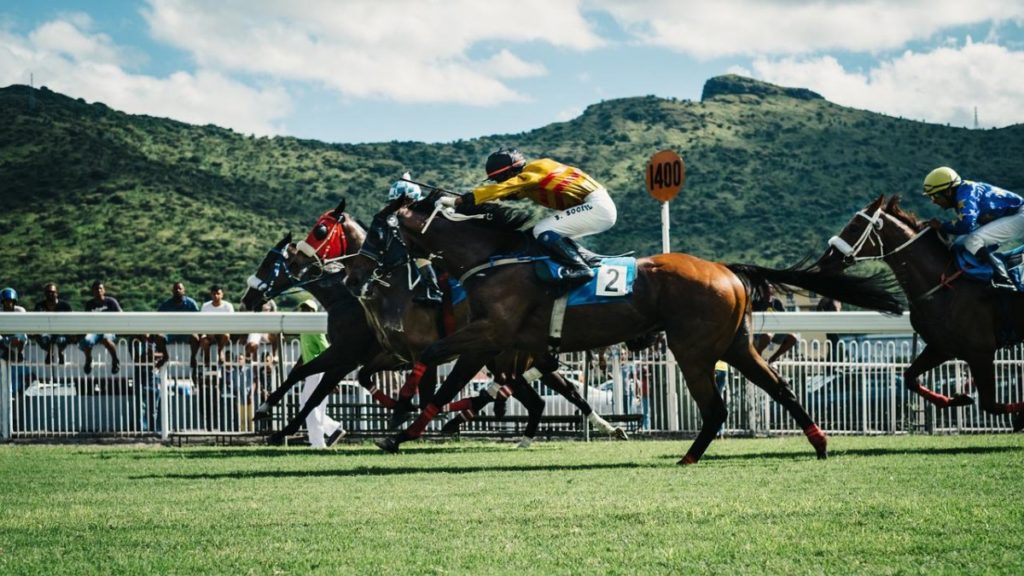
The sport of horse racing is ancient, spanning several centuries before branching out to a global audience. Professional thoroughbred horse racing is particularly popular in the United States, where you’ll find some of the calendar’s top fixtures. The Kentucky Derby ranks as the primary draw, but there’s at least one competitive meeting run every evening across the country.

Such a busy schedule means it’s no surprise that racing betting attracts vast cash. It reported horse racing fans in the US wager more than $11 billion annually, and that surge shows no signs of slowing down anytime soon. If you’d like to try betting on racing for yourself, there are hundreds of good betting apps. But we’re after excellent horse racing betting sites with big bonuses, eye-catching odds, and all the latest features.

Finding the great among the good

How do you tell a great bookie from a collection of good sites? One surefire way to measure a sportsbook’s ambition is to check the promotions offered to registered customers. There’s something for everyone, from the flag-bearer welcome bonus to the top recurring deals like cashback, enhanced odds, and additional places each way.

As we head into the thick of this year’s flat season, let’s remind ourselves of the best offers available online. We have selected the cream of the crop, and our racing writers are happy to share our findings. By the end of this page, you’ll know the best online betting bonuses tailored for racing lovers and how to sign up and claim your share.

The promotions covered in this article are all available at the time of writing, but you must be a registered player before collecting. Don’t worry; we’ll explain the steps behind that too.

Horse Racing Bonuses 2023: FAQs

How do I register?

Before we start on the best horse racing promotions available in 2023, let’s quickly brush up on registering with an online sportsbook. Follow these steps to create an account and secure the bonus.


1. Visit your preferred bookie and click Join

2. Complete the registration form

3. Create a username and password

4. Make your first deposit and bet

5. The welcome bonus free bet arrives


Which deal is for new customers?

The online horse racing gambling industry remains fiercely competitive, and as new apps join the market every year, things are beginning to get a little cramped. Having so much choice is excellent for bettors, but it could be better for bookies who know they must stand out. The best way to achieve that is by offering an incentive to join.

The most popular welcome bonus is the deposit-matched free bet. When you follow the steps above and create a betting account, you’ll qualify for the prize, and the bookie will drop a free bet into your balance. The tokens will equal your first deposit and wager. That means if you deposit and gamble $100, you’ll get a $100 free bet.

Always read the terms and conditions attached to a new customer promotion or any offer made by a bookmaker. Doing so will ensure you know how the promo works and how to make it work for you. Other welcome bonuses include deposit-free bets and a risk-free bet where losing stakes on your first wager are returned.

Do bookies offer enhanced odds?

A great marketing tool significant bookies use is to enhance the odds of a runner attracting attention. It may be the short-priced favorite in the race, and if every bookie is offering +500 and your app has boosted their quote to +800, you already know the best place to bet.

This approach helps attract professional and casual bettors hunting for overpriced selections and betting value. Being top-price on a talented runner is a reliable way to make waves.

Are my losing stakes gone forever?

Bookies who don’t give big odds and free bets often rely on making it difficult for customers to lose their stake. Cashback offers come in many shapes and sizes, including stakes returned if your horse falls, fails to complete the race, doesn’t start, or loses to the SP favorite.

The most appealing aspect of the cashback feature is it allows you another shot at picking a winner. The bookie’s terms and conditions page will explain if losing stakes are refunded as cash or free bets.

How Do Odds and Betting Work in Horse Racing and Beyond?

How Do Odds and Betting Work in Horse Racing and Beyond?  Many people love horse racing just for the fun of the sport. The thunder of hooves as they fly past the finish line is the sort of sound that hits you in the heart and captivates you instantly. Whilst just watching such powerful creatures is more than enough for some fans, others like to have a bet too. Pouring over the form and figuring out a winner can be a hugely rewarding puzzle, but understanding odds is an important part of it. If you think you have what it takes to pick a winner but are a little confused when it comes to understanding how betting works, then you’ve come to the right place. We’re going to demystify the world of betting so that you can place your bets in confidence.

How to Calculate Odds and Payouts

Odds are useful in all kinds of situations, not just horse racing. Whether you want to play various casino games, create a watertight risk assessment, or bet on any sport at all, knowing about odds is going to be crucial to your success. Whilst horse racing odds are the bookmaker’s estimate of what will happen in a race, casino odds are based entirely on mathematics.

For example, in American roulette, the odds of landing on black are 47.37%. This is because there are 38 spaces on the roulette wheel, two of them are zeros, which don’t pay out, and half of the remainder (18 squares) are black. If you divide those 18 black squares, by the total number of squares, 38, then you’re left with 0.4737, or 47.37%.

In games where the probability doesn’t change, such as roulette, it’s easy to calculate odds and work out if the payout seems fair or not. In the case of the blacks only bet, you’re paid out at 1:1, meaning that if you put $10 on, you’ll receive $10 plus your initial stake. For it to be totally fair, you’d expect a 50% chance of landing on black, which would be as simple as removing those two green pockets. However, in order for casinos to make any money they need to have what is known as a house edge, or in the case of horse racing betting, overround. Those green pockets give the casino a house edge of 5.26%, enough for the casino to make some money and remain open!

Extending This Knowledge to Horse Racing

When it comes to horse racing, bookmakers will try to give themselves a ‘house edge’ by having the horse that they think is the most likely to win at a very short price. They might make up for this by giving those horses with only an exceedingly small chance very large odds. In many races, you might have a horse priced at 2/1. In terms of roulette, this would be like placing a bet on black, on a board without zeros; the horse has a 50% chance of winning. For a horse to be this short priced in a field of ten others, it would have to have impressive form.

Conversely, you’ll sometimes spot a horse priced at 50/1, that would be like placing a bet on a single number, on a roulette board with 50 squares. For a horse to have such an outside chance in a field of ten others, it would have to only have three legs. However, these are both odds that come up often in horse races, so understanding the fairness of the payout and the presentation of odds is the next thing we need to look at.

Different Presentations of Odds

There are three main ways that you’ll see odds written down. Fractional odds are the ones we’ve briefly discussed above, like 2/1 and 50/1. This is commonly seen in Britain, and they are the amount of profit (first) to the first stake (second). In Europe, decimal odds are used, as well as fractional odds. In decimal odds, 2/1 is expressed simply as 3. To get from fractional odds to decimal odds, you divide the numerator by the denominator and add 1. So, in this case, it would be (2/1) +1=3

The final presentation of odds is money line odds, which are most used in America. In the case of 2/1, or 3, in moneyline odds, this would be expressed as +200. You can convert fractional odds to moneyline odds by dividing the numerator by the denominator and multiplying by 100. In moneyline odds, you always have a plus or minus in front of the sum. If there’s a plus in front of the sum then you will receive more back than your stake, if there’s a minus then you’re placing what is known as an odds-on bet. For example, in fractional odds a 4/6 bet would mean you needed to put $6 on, to win $4 back (plus your original stake). In moneyline odds this would be expressed as -166.7, meaning you would need to wager $166.7 to win $100.

1 6 7 8 9 10 28